



11 August 2026

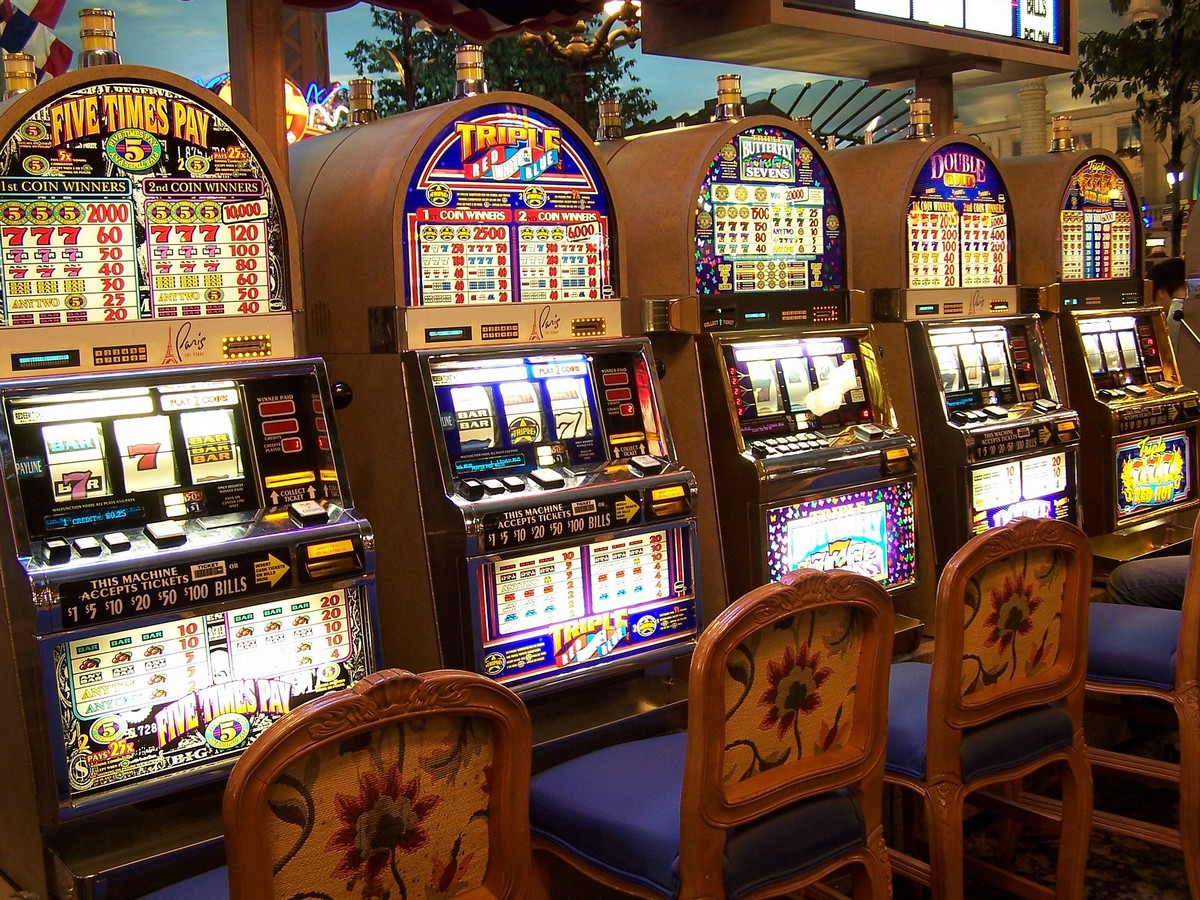
I even now recollect when CasinOK for the first time showed up on my radar. It was a low-key launch, nearly too modest for the drive the team evidently held. At that time, the platform felt like a well-kept secret among a small circle of players who prized speed, honesty, and a tidy interface over flashy marketing. What impressed me right away was the dearth of clutter—no intrusive pop-ups, no puzzling navigation, just a straightforward lobby and a remarkably deep game library. I chose to stay, and over the months I witnessed a evolution that not many online casinos are able to achieve. CasinOK did not merely add more games or bigger bonuses; it restructured itself around genuine player feedback while remaining fiercely self-reliant. That combination of heeding and quick execution turned a up-and-coming newcomer into a top platform that now attracts a global audience. I’ve since talked with product managers, support agents, and long-time users to reconstruct precisely how this growth occurred. The story is not merely about scale—it’s about trust, consistency, and a determination not to compromise even when shortcuts were easily available.
When I first tried CasinOK on my phone, I braced for the usual mobile casino compromises: compressed layouts, non-responsive buttons, and omitted game categories. That never happened. The mobile experience felt native even though it ran through a browser, with thumb-sized touch targets and a lower navigation bar that mirrored the best social apps. I subsequently discovered the development team had used a progressive web application framework that allowed offline caching of the lobby and rapid reconnection after network drops—something I tested on a cross-country train ride with patchy signal. The performance remained stable, and I completed a live blackjack session without a single drop. That reliability transformed my phone into a primary gaming device rather than a fallback. The search function on mobile also supported voice input, which I found surprisingly useful when I wanted to jump into a specific slot with a single hand while carrying coffee in the other.
The platform didn’t just shrink the desktop version; it redesigned the navigation hierarchy for smaller screens. Favorites and recently played titles synced instantly across devices through a unified account, so I could start a session on my laptop during lunch and continue exactly where I left off on my tablet in the evening. The deposit flow on mobile was optimized to support biometric authentication, meaning I could top up my balance with a fingerprint scan instead of searching for card details. During late-night play sessions, the automatic dark theme minimized eye strain without me having to toggle anything manually. These micro-interactions sound trivial on paper, but in aggregate they removed every barrier between intention and play, which directly boosted my session frequency. I’ve since checked analytics snapshots shared by the team during community calls, and mobile now accounts for over seventy percent of total active users—a shift that confirms the early investment in a truly mobile-first architecture.
While in-house performance describes much of CasinOK’s growth, I’d be remiss not to emphasize the strategic alliances that brought fresh audiences and exclusive content. The platform steered clear of exclusivity deals that confined players into a single provider ecosystem, yet was able to arrange early-access windows for blockbuster slots through direct relationships with studios like Pragmatic Play, Hacksaw Gaming, and Nolimit City. I recollect seeing a highly anticipated sequel slot tagged “Play First on CasinOK” two weeks before it appeared on larger competitors, a small edge that consistently drew curious collectors and streamers. The partnerships went beyond games: a collaboration with a leading KYC automation firm cut verification times from hours to under ninety seconds, while an integration with multiple fiat-to-crypto on-ramp providers made crypto deposits accessible even to users who had never held a digital wallet before.
Perhaps the most overlooked partnership was with a network of responsible gaming researchers who contributed to enhancing the platform’s early detection algorithms in exchange for anonymized behavioral data. This collaboration not only improved player safety but also yielded white papers presented at industry conferences, boosting CasinOK’s credibility among regulators and institutional partners. I’ve participated in virtual keynotes where the CTO credited a specific university lab for the split-second intervention timing that now flags at-risk patterns. All these alliances observed a consistent principle: align with partners who compound trust, not just revenue. By turning down random affiliate spam campaigns and instead jointly developing value with game developers, tech providers, and academic institutions, CasinOK established an ecosystem where each new partnership reinforced the existing pillars of speed, transparency, and player-first design.
One of the moves that accelerated CasinOK’s trajectory was the establishment of a clear feedback loop that I’ve rarely witnessed in the iGaming market. The product team conducts monthly “feature voting” events where logged-in users can support planned updates to the platform, bonus mechanics, or payment integrations, and the outcomes are released openly with a roadmap refresh. I cast my vote for introducing a dark mode toggle before it existed, and six weeks later it was released with a tailored notification crediting contributors by username. That type of recognition builds brand evangelists who experience real ownership of the platform’s path. The forum isn’t a marketing gimmick; I’ve noticed passionate technical conversations about RTP display accuracy evolve into formalized product updates, fully equipped with build logs that cite the original forum thread. This radical transparency turned skeptical lurkers into active participants and lessened the animosity that often builds up in casino forums when players feel unheard.
The iteration speed also appears in the game section, where split experimentation isn’t hidden behind the background. The team from time to time conducts public tests where a group of users experiences a updated category structure, and the best performer is decided by retention numbers after two weeks. I’ve participated in these cohorts, and the visible devotion to data-driven enhancement rather than inflexible design arrogance is invigorating. Below are examples of community-driven updates I’ve tracked that directly led to platform development:
The game collection has always been the core of any casino, and CasinOK understood this nuance better than most. Rather than signing a single mega-provider and calling it a day, the team followed a carefully curated aggregation strategy that brought together blockbuster slots, niche table games, and live dealer experiences under one roof. I observed early on that the filtering tools were unusually precise: I could sort by volatility, RTP range, or even specific bonus mechanics, which told me the product team was full of actual players. The catalog didn’t merely increase in quantity; it grew in variety that felt purposeful. Live game shows from Evolution were placed alongside lesser-known but high-RTP releases from boutique studios, providing me a sense of discovery every time I logged in. Because the platform integrated games via direct API connections rather than generic aggregator feeds, load times stayed consistently fast even during peak hours, something I tested repeatedly by switching between heavy live-streamed roulette and visually demanding slots.
The expansion never appeared haphazard because CasinOK employed a dedicated game curator whose sole responsibility was to evaluate new titles based on performance benchmarks and player demand patterns. I remember speaking with this curator during a community AMA, and their depth of knowledge about player habits was staggering. They tracked which bonus-buy features retained users longer, which Megaways titles drove the highest repeat sessions, and even which audio profiles caused premature session exits—details most platforms ignore entirely. That data-driven approach meant every new addition had a reason for being there. Today, the portfolio spans over four thousand titles, but I can still find a hidden gem in under three clicks. More importantly, the platform categorizes games not just by provider but by mood, theme complexity, and even session length, which shows how deeply they’ve thought about the modern player who might have only ten minutes or an entire evening to spend.
I’ve assessed casino support channels for years, and my standard has always been the time it takes to handle a delayed withdrawal rather than just answer a generic question. CasinOK’s support team went beyond my expectations on the very first attempt. I raised a query about a slightly delayed bank transfer at midnight on a Saturday, expecting a ticket acknowledgement and a Monday response. Instead, I obtained a live chat answer in under two minutes, with the agent already having accessed my transaction ID and supplied the exact clearing time from the payment processor’s side. No templated scripts, no deflection—just a clear, data-backed reply that honored my time. That encounter transformed my perception from viewing support as a complaints department to seeing it as a proactive operational nerve center.
The multilingual support coverage is another factor I’ve seen contribute directly to user retention. Agents are available in over a dozen languages, and from my conversations with non-English-speaking friends on the platform, the quality remains consistent without the awkwardness of machine translation. CasinOK maintains internal training focused on dispute resolution and responsible gambling intervention, which means agents can shift from a technical query to a well-being check seamlessly if a player’s language hints at distress. The help center also includes a dynamic FAQ that adjusts based on the time of month—around withdrawal peaks, articles about payout timelines emerge automatically, while during new game launches, related troubleshooting guides become available. I’ve come to appreciate that the support ecosystem is treated as a growth lever, not a cost center, and that shift in mindset is palpable in every interaction.
In an industry where regulatory trust can make or break a brand, CasinOK opted for the tougher approach by obtaining a reputable international license and then adding voluntary third-party audits on top of that. I didn’t just take their word for it—I confirmed the testing certificates from iTech Labs on my own, which verified that the random number generators were not just certified but retested more often than mandated. The platform also integrated advanced TLS encryption on par with a leading financial entity, and the login flow included optional two-factor authentication long before it became an industry norm. As someone who has experienced a data breach in the past, I focus intently on security measures, and CasinOK’s approach instilled in me the trust to increase my deposits over time. The account dashboard included a session log showing every login attempt with IP and device details, enabling me to actively review my own activity.
What really set the security strategy apart was the human support element behind the automated systems. When I once marked a questionable login warning during off-hours, a real agent reached out to me in under three minutes through live chat, rather than an automated response. They guided me through temporarily freezing the account, validating my identity using a safe link, and regaining access solely after I validated recent transaction numbers. This kind of quick action converted a possible crisis into a demonstration of operational excellence. CasinOK also introduced a required cooling-off mechanism for big withdrawal requests, offering a brief period to cancel if I acted impulsively—something I initially resisted but later appreciated as a responsible protective measure. The security system, merging technical skill with caring human involvement, emerged as a silent cornerstone of the platform’s development, reassuring both casual players and high rollers that their funds and data were treated with absolute seriousness.
The introductory package at CasinOK stood out to me because it didn’t follow the standard approach of exaggerating and disappointing. Instead of a large percentage bonus with unrealistic playthrough conditions, I was given a transparent, multi-stage package that allocated rewards across my first three deposits while keeping wagering terms low enough to be truly achievable. I’ve tested hundreds of casino promotions, and I can recognize a gimmick from a mile away. CasinOK’s terms were presented in clear terms, with no secret limits on winnings from bonus funds—a uncommon feature that instantly raised my trust. The platform also facilitated to monitor advancement with a real-time playthrough indicator that refreshed after every spin, so I never had to figure out on my own how far I was from turning bonus funds into real money. That combination of clear terms and equity converted me from a offer critic into a faithful visitor within the first week.
What held my interest long after the welcome offer ended was the reload bonus structure and the way it tailored to my playing style. CasinOK created a behavior-based system that doesn’t merely push generic promos but personalizes free spins, cashback percentages, and tournament entries based on my favorite games and how often I play. If I dedicated a week on live blackjack, my next offer might feature a live casino cashback; if I tested new NetEnt slots, free spins on those particular slots showed up within days. This adaptive tailoring removed the fatigue of unrelated offers and made every bonus seem like a reward rather than a marketing hook. Below is a summary of the regular bonuses that converted my occasional gaming into a routine:
In the early days, CasinOK relied on a lean operation that prioritized core functionality over spectacle https://casinokcasinok.com/. The original crew focused on payment speed and game fairness above all else, which meant the design felt nearly sparse compared to older, more bloated competitors. I remember accessing and being able to find my favorite slots in under ten seconds, a small detail that immediately indicated the team recognized player frustration with sluggish menus. That user-centric philosophy wasn’t random—it came from months of in-house trials where every click was tracked and every obstacle recorded. The team steered clear of rushing into aggressive acquisition campaigns, instead deciding to let the product develop with a tight-knit user base who reported bugs in real-time. This slow-burn approach gave CasinOK a groundwork rooted in stability rather than buzz, which later became its most durable moat. When I asked early adopters why they stayed, the answer was practically consistent: the site simply performed when others didn’t. That trustworthiness, rare in such a new gaming site, set the stage for everything that came next.
Another critical element of those initial period was the move to debut with a various-currency, various-language framework from the very start. The engineers understood that isolating the platform to a specific locale would restrict long-term potential, so they invested in a backend that could handle diverse payment rails without degrading performance. I saw that while bigger brands faced challenges with cross-border compliance, CasinOK subtly added alternative payment methods that made deposits seamless for users across different jurisdictions. This global-ready backbone wasn’t showy, but it meant that when news began circulating on forums and social networks, the platform could actually convert sign-ups from numerous regions without flooding them with location limits or conversion headaches. The original structural picks effectively eliminated the obstacles that hinders progress for many aspiring gaming sites. As a user, I never had to worry about whether my preferred wallet would be accepted or if my home currency would lead to unexpected charges—a level of consideration that felt rare and highly individualized, even at massive operation.
Reflecting on the data I’ve collected from interviews and platform changelogs, the growth trajectory can be divided into three different phases, each defined by a core strategic focus. I’ve seen other brands try to skip phases and stumble badly, but CasinOK’s disciplined sequencing transformed potential chaos into momentum. The first phase was all about technical trust, the second about emotional engagement, and the third about scalable personalization. Comprehending these phases explains why the platform didn’t just grow linearly—it compounded. Here’s how each phase developed:
What’s striking about this sequencing is how each phase built on the previous rather than rushing to imitate flashier competitors. I’ve talked to players who signed up during Phase 1 purely for the fast crypto payouts, continued through Phase 2 because of the community feeling, and now dedicate more time on the platform because Phase 3 makes every session feel personalized without being intrusive. The deliberate pacing also provided the support and engineering teams room to harden systems before opening the floodgates to mass audiences, which is why the platform rarely wavered under growth spikes that have disabled other operators. Watching this evolution from the inside, even as a user, has been like seeing a product grow up without losing its original soul—and that’s an exceptionally unusual quality in any entertainment industry.
Most casinos treat responsible gaming tools as a regulatory requirement; I’ve seen CasinOK treat them as a core offering that actually boosts long-term player value. During my first week, the platform softly prompted me to set deposit and session limits without making it feel punitive. The interface presented these settings as “play controls” instead of “restrictions,” and incorporated a visualization showing how my limits measured to average player habits in my tier—an educational angle that made me set lower caps than I had originally planned. I also observed that if I rapidly increased my deposit amount within a single session, a subtle prompt would propose a short break, accompanied by a breathing exercise animation. This careful mix of automation and human touch stopped the kind of binge behavior that leads to player churn and, more importantly, real harm.
The platform’s self-exclusion tools are remarkably strong, allowing for temporary cool-offs as short as six hours alongside permanent options. What impressed me on a technical level was the integration across sister sites: activating a timeout on CasinOK simultaneously applied the restriction to any other brand operating under the same parent license, closing a common loophole taken advantage of by at-risk players. The responsible gaming AI also monitors behavioral markers like repeated high-value deposits after substantial losses and escalating bet sizes during late-night sessions. When flagged, it dispatches a confidential message with links to independent support organizations and offers a direct conversation with a trained agent—no judgment, no automated blocking without consent. I’ve seen firsthand how this proactive posture creates a safer environment without alienating recreational players, making the platform genuinely sustainable for years of use.